
It pays to treat craps like a slow burn rather than a rush for the lights. Most punters in Perth who’ve spent Saturday arvo at the local RSL watching the pokies spin realise that the house edge doesn’t vanish just because the table moved to a screen. The same folk who queue up for a quick game on the train home know that a decent online craps betting strategy is less about chasing a miracle roll and more about managing risk, pace, and the small edges that compound over a long session.
Reading the Table Before You Put Chips Down
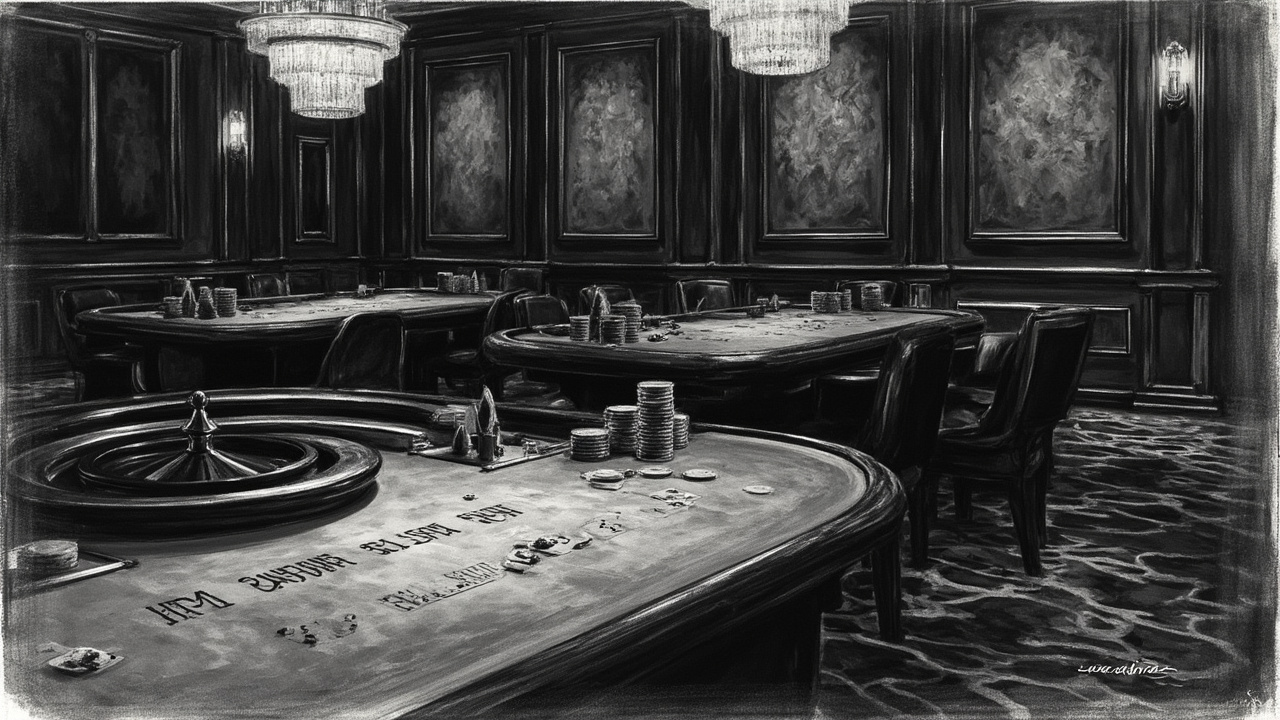
A practical walkthrough starts with knowing what you’re actually looking at. The pass and don’t pass lines are the spine of the game, and the odds behind them are where a measured approach earns its keep. If you’ve ever spent a quiet evening comparing the way European roulette carries a house edge of about 2.7%, you’ll recognise the same discipline here: the numbers don’t lie, and the smart money sits with the lower-edge propositions rather than the long-shot props that flash the fanciest graphics.Newcastleherald
The come and don’t come bets work much the same way, just with a different rhythm. A solid approach treats them as a way to keep the action moving without inflating the average risk per throw. You don’t need to memorise every field bet or hop wager to play sensibly; you just need to know which bets carry the heavier vig and which ones let you stay in the game longer. That’s where the insight-led side of things comes in: a campaign that actually converts is the one that respects the audience’s time, and a session that holds up is the one that respects the math.
If you’re weighing up where to sit down for a proper run, a careful read of the site’s layout and the way the tables are presented can save you a few headaches before the first roll. A platform that’s worth a second look tends to keep the table rules plain, the odds visible, and the pace set by the player rather than by a timer that feels like it’s running the show. That kind of setup is what casino rocket australian tends to build around, and it’s the sort of detail that matters when you’re trying to keep a session steady rather than chasing a quick turn.
The Walkthrough: From Deposit to a Steady Session
Placing the first bets without overcommitting
The first few rolls are where most people either set a pace or blow the budget. A workable approach is to size the pass line bet to a fraction of the bankroll you’re willing to use for the session, then treat the odds bet as the lever that actually improves your position. The odds portion has no house edge on the win itself, which is why experienced players keep it in proportion rather than loading it up when the dice are hot. That’s the same kind of editorial judgement you’d apply to a media plan: you don’t throw the whole budget at the first flashy placement and hope for a miracle, because the numbers only compound when the spend is measured.
A sensible player also knows when to step back. If the table is running fast and the props are calling your name, the discipline is to leave them alone. The free odds are the quiet bit of the game, and the quiet bits are usually where a session stays profitable longer. You don’t need a dramatic system to make that work; you just need to resist the urge to turn a controlled bet into a story about a streak.
Reading the flow and adjusting pace
Craps has a rhythm that changes with the table, and online tables add their own tempo through auto-bet features and speed settings. A practical player watches the flow rather than fighting it. If the rolls are coming quick and the results are clustering the way they always do over a short sample, the move is to keep the base bet steady and let the odds do the work, not to start reshaping the whole layout every couple of minutes. That’s the kind of understatement Sydney punters recognise straight away: nothing dramatic, just a steady hand and a clear limit.
The pace also matters for the bankroll. A session that runs too fast burns through the same amount of play in half the time, which is why a measured speed setting often suits a longer evening better than the quickest toggle on offer. You’re not trying to outrun the house edge; you’re trying to give your decisions enough room to mean something.
Many players discover that a slower rhythm extends their entertainment value significantly. If you are curious about how hardware influences session length, you can read more at the local overclocking shop. Finding the right balance ensures you stay within budget while enjoying the experience.
When to step back and lock in a limit
Every session needs a stop point, and the stop point is usually more important than the opening bet. A workable rule is to set a loss limit and a time limit before the first roll, then treat them as non-negotiable rather than as suggestions you revisit when the dice are warm. That’s where the insight-led mindset shows up again: a brand that grows steadily is one that plans the exit as carefully as the entry, and a player who keeps the session under control is the one who actually gets to come back for another run.
Locking in a limit also keeps the game from turning into a story you tell yourself later. If you’ve had a decent run, the sensible move is to step out while the numbers still look like a session rather than a streak. No one ever regrets a clean stop in hindsight, and that’s the part of craps that doesn’t change just because the felt is on a screen.
Who This Approach Suits Best
This kind of measured play suits the player who treats a session like a proper night out rather than a sprint for the lights. It’s a better fit for someone who’s already comfortable with the idea that the edge is always there, and who’d rather manage it than pretend it isn’t. If you’re the sort of person who’d rather watch the table settle than chase a prop bet that promises a big pay for a small chance, this approach will feel familiar straight away.
It also suits the player who values the ongoing bits after the welcome offer has done its job. Recurring promos, cashback on losing sessions, loyalty tiers that actually move, and tournaments that give a reason to return are the things that keep a site come and see us useful beyond the first deposit. A platform that keeps those running tends to hold a player longer, which is the same kind of customer-focused growth that works in leisure and entertainment when the repeat-play reasons are genuine rather than a one-off headline.
Keeping the Session Practical
A good session is usually the one that starts with a clear limit, keeps the odds bet in proportion, and doesn’t let the props run the show. The math doesn’t care how the table looks, and the pace doesn’t care how excited the roll feels. If you keep the base bet sensible, treat the odds as the lever, and step out when the limit hits, you’ve got a way to play that holds up over time. No single roll changes that, and no welcome screen changes it either.