
AMIRI Manufacturing, Label by Label: USA, Italy and Vietnam
The most repeated claim about this brand is that everything it sells is made in Los Angeles. It is plainly wrong, and what lies behind it is more interesting than the myth. Country of origin varies by style, and the brand states it openly on its own product pages. Core denim and one core jersey piece are made in the United States; one of the core tees is made in Italy; the signature sneakers are made in Vietnam. Far from being a compromise or a secret, that split reflects a simple fact, that hand-finished denim and moulded footwear are different industries with different supply chains. Knowing which label belongs on which product is worth the effort for anyone who buys amiri clothing regularly, because it matters for authentication and not only for curiosity.
The source of the Los Angeles claim
The Los Angeles identity is real, which is exactly why the blanket version of it spreads so easily. The founder is Mike Amiri, the house is headquartered in Los Angeles, and its own About page says he established the label in his hometown. An exclusive capsule for the Los Angeles concept store Maxfield served as the debut, and the first permanent boutique opened on Rodeo Drive in Beverly Hills in 2020. Even the founding year carries a wrinkle worth knowing: the brand, the CFDA and its Italian investor all date the label to 2014, while a press release from December 2014 dates it to 2013 and describes it as founded in partnership with Maxfield. None of it amounts to a manufacturing map, and treating a brand’s home city as its sole factory address is a category error. One related number also needs correcting, because the brand’s own store list shows roughly thirty-three boutiques including those marked as coming soon, while the widely circulated figure of one hundred and ninety-five stores conflates owned shops with wholesale doors.
What the labels on individual styles actually say
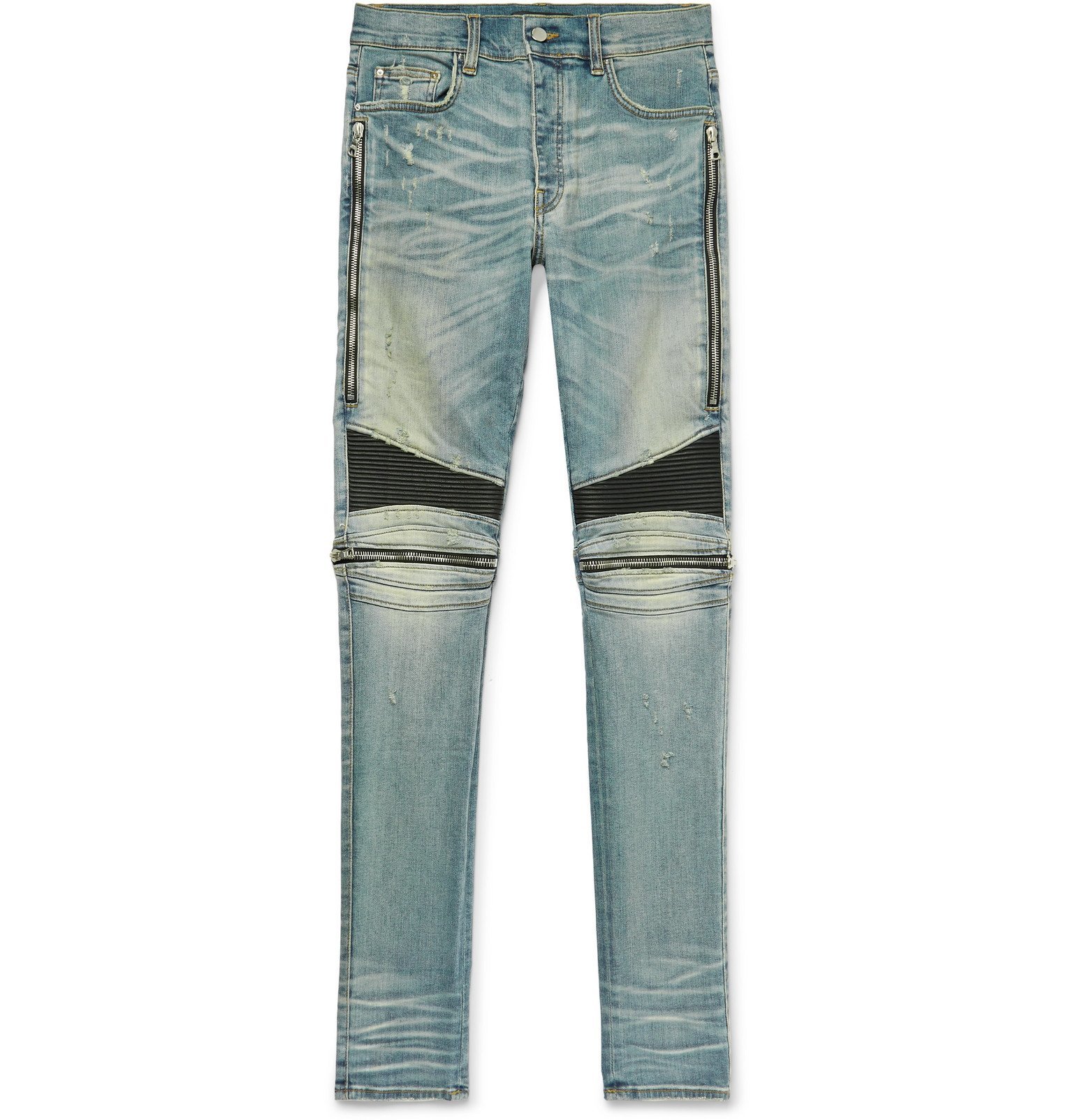
The simplest way to settle the question is to read the origin line on specific products instead of generalising about the house. The verified picture that follows is drawn from the brand’s own product pages amiri bone runner for core styles, which state origin explicitly. Notice that the split is not random but tracks category and construction. Denim and the core hoodie sit in the United States, one core tee sits in Italy, another core tee is described specifically as made in Los Angeles, and both current bones-motif sneakers sit in Vietnam. Note as well that the MA Bar Logo Tee and the MA Core Logo Tee are two separate products with two different stated origins, a distinction that defeats a great many write-ups. Treat the table as a snapshot of confirmed styles, not a complete manifest, since the brand does not publish a full origin index across the collection.
| The style | Product category | Origin as stated |
|---|---|---|
| MX1 Jean | Denim | Label: made in USA |
| Stack Jean | Denim jean | Origin: made in USA |
| MA Core Logo Hoodie | Jersey knit | Origin: made in USA |
| MA Bar Logo Tee | Core jersey | Stated as made in Los Angeles, CA |
| MA Core Logo Tee | Jersey | Made in Italy |
| Skel Top Low | Leather sneaker | Origin: made in Vietnam |
| Skel Court Hi | Footwear | Made in Vietnam |
Why the core denim is built in the United States
Denim is the reason the brand exists, and it is the category that stayed closest to home. The MX1 is a skinny five-pocket jean that is hand-distressed and then repaired with pleated ovine leather set into the worn areas, and it is stated as made in the USA. The Stack is the other core pillar, a skinny jean given a deliberate overdye and an intentionally long inseam, also stated as made in the USA. Work of that kind is finished by hand, piece by piece, with abrasion and repair decided as the garment is built rather than programmed in advance. Keeping that process near the studio makes iteration cheap and consistency controllable, which is the practical argument for domestic production on a hand-finished product. There is one nuance that trips people up, since the fabric itself is Italian stretch denim while the garment is assembled domestically, and where cloth is woven is a separate question from where a jean is made.
The sneakers, and why they come from Vietnam
Making footwear is a different discipline, which is why almost no luxury brand builds sneakers in the same facilities it uses for cut-and-sew clothing. Lasting, moulded rubber tooling and vulcanised or cemented sole assembly demand dedicated plants, and Vietnam is a mainstream location for exactly that work across the luxury market. The Skel Top Low is the model the brand itself calls its house signature sneaker, a leather basketball silhouette with hand-cut bone appliqués outlined in contrast topstitching, and it is stated as made in Vietnam. The Skel Court Hi is another shoe altogether, a retro court silhouette on a cotton canvas upper with the same bones motif, and it too is stated as made in Vietnam. The two are often run together in write-ups, while the Stars Court is a third silhouette again, carrying star appliqués rather than bones. The blunt practical point for buyers: a Vietnamese origin on amiri sneakers is exactly what you should expect, and it is not evidence of a counterfeit.
The Italian thread woven through the story
Italy enters this brand’s story in three separate ways, and keeping them apart avoids a common muddle. First, the fabric: the core stretch denim used on the MX1 and the Stack is Italian, woven abroad and assembled domestically. Production second: the MA Core Logo Tee is stated as made in Italy, so part of the core jersey line genuinely is Italian-manufactured. Ownership third: the Italian group OTB, chaired by Diesel founder Renzo Rosso, took a minority stake in 2019, the terms were never disclosed, and the founder retained majority ownership and control. There is also a Milan boutique, reported as the brand’s first permanent European store. None of this makes it an Italian or a Parisian house, because it remains a Los Angeles label that has shown at Paris Fashion Week since 2018.
What any of it means when you buy amiri online
The practical payoff of knowing the origin split is that it protects you from making two opposite mistakes. The first is rejecting a genuine pair of amiri sneakers because the label says Vietnam, which happens constantly in resale disputes and is simply wrong. Mistake two is accepting a suspect jean because the label says USA, when a label is the easiest thing of all on the garment to reprint. Sellers who write listing copy from blog articles rather than from the item in hand will often claim Los Angeles manufacture across an entire catalogue, and that mismatch is itself a small warning sign. When you compare an amiri hoodie or a pair of amiri jeans across several sellers, request a photograph of the interior origin and care labelling rather than accepting a written claim. Raise it before you negotiate on price, not afterwards, because it is the cheapest question in the whole process.
What the origin line proves and does not prove
Because production is split by style, country of origin alone cannot authenticate this brand. Its use is as a matching test, where you ask whether the stated origin belongs to that specific style. An Italian label on a core jean, or a United States label on a Skel-Top, is the kind of mismatch worth acting on, whereas the country by itself proves nothing in either direction. Even less weight belongs to packaging, since boxes, dust bags and swing tags are the simplest parts of the whole product to fake and should never carry the decision. The signals that hold up best are provenance and the character of the hand-finishing, with components and labels supporting them rather than replacing them. Purchase through the brand’s own website, its boutiques or a retailer named on the published stockist list; keep the invoice; and treat any outlet claim as an immediate disqualifier.